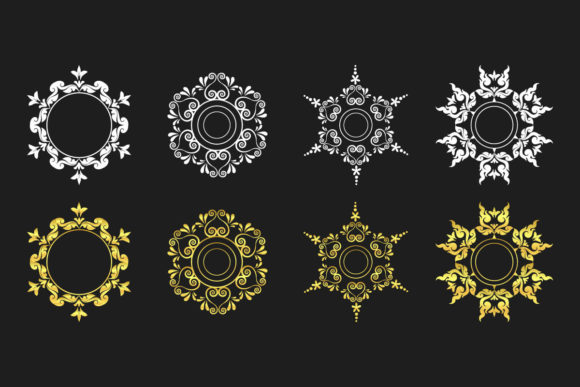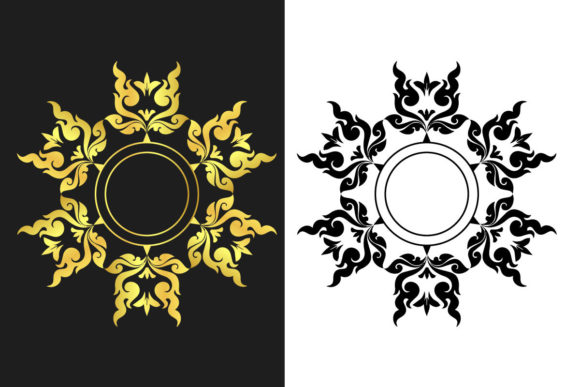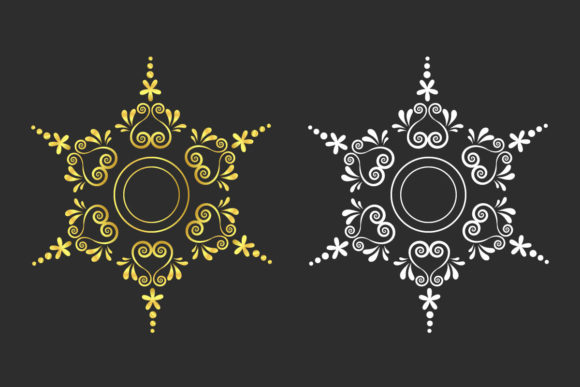
Mandala Pattern and Circle Ornaments
Mandala patterns and circle ornaments have long been a source of fascination for artists, designers, and creatives across cultures. These intricate, symmetrical designs are more than just decorative—they offer a powerful tool for expression, meditation, and artistic exploration. Whether you're working on a coloring book, a tattoo design, or a business card, mandala patterns provide a versatile foundation that can be adapted to countless creative projects.
At their core, mandalas are circular compositions that often feature repeating geometric shapes, floral motifs, and symbolic elements. Their symmetry and balance make them ideal for use in a wide range of applications, from spiritual practices to commercial design. Circle ornaments, while similar, tend to emphasize ornate detailing and may incorporate elements like arabesques, calligraphy, or traditional motifs from various cultural backgrounds.
What Makes Mandala Patterns Unique?
Mandala patterns stand out due to their structured yet fluid nature. The circular form encourages a sense of harmony and completeness, making them particularly effective for visual storytelling and aesthetic appeal. They can be simple or complex, depending on the artist’s vision and the intended purpose. This adaptability allows mandala patterns to serve as both a focal point and a background element in many creative works.
One of the most appealing aspects of mandala patterns is their ability to evoke a sense of calm and focus. Many people use them for meditation, coloring, or mindfulness exercises. Their repetitive, rhythmic structure can help quiet the mind and encourage deeper engagement with the creative process. For artists, this makes mandala patterns an excellent starting point for developing new ideas or refining existing ones.
Creative Possibilities and Applications
The versatility of mandala patterns and circle ornaments opens up a world of creative possibilities. From digital illustrations to physical prints, these designs can be used in a variety of formats and mediums. Here are some practical applications:
- Meditation Posters: Use mandala patterns as calming backdrops for mindfulness spaces or personal reflection areas.
- Adult Coloring Books: Create detailed mandala pages that invite users to explore color, texture, and pattern through guided creativity.
- Tattoo Designs: Incorporate mandala elements into body art for a symbolic and visually striking result.
- Henna and Mehndi: Adapt mandala patterns for traditional henna designs, blending cultural heritage with modern aesthetics.
- Floral and Arabesque Elements: Combine mandala structures with floral motifs to create rich, layered designs suitable for invitations or packaging.
For designers and marketers, mandala patterns can also serve as a unique branding element. They can be used as background textures, logo elements, or visual accents that add depth and sophistication to any project. When applied to business cards, greeting cards, or wedding invitations, they bring a touch of elegance and timeless beauty.
Adapting Mandalas for Different Audiences and Goals
The key to successfully using mandala patterns lies in understanding your audience and purpose. For example, a mandala design meant for a children's coloring book may need to be simpler and more colorful, while one intended for a luxury fashion brand might require more intricate details and a refined aesthetic.
Consider the following when adapting mandala patterns:
- Style: Choose between minimalist, abstract, or highly detailed styles based on your target audience.
- Color Palette: Use warm, vibrant colors for energetic designs or cool, muted tones for a more serene feel.
- Symbolism: Incorporate meaningful symbols or cultural references to add depth and relevance to your work.
- Functionality: Ensure the design remains clear and readable, especially if it will be used in printed materials or digital formats.
For entrepreneurs and small business owners, mandala patterns can be a valuable asset in product development. They can be used to create custom stationery, fabric patterns, or even home décor items. By offering unique, high-quality designs, businesses can differentiate themselves in a competitive market.
Practical Tips for Using Mandala Patterns
Whether you're a professional designer or a hobbyist, there are several practical tips to keep in mind when working with mandala patterns:
- Start with a Strong Base: Begin with a clean, well-structured mandala layout to ensure clarity and balance.
- Experiment with Layers: Add depth by incorporating multiple layers of detail, such as lines, dots, or floral elements.
- Use Consistent Scaling: Maintain proportional consistency to avoid visual clutter or distortion.
- Test in Different Formats: Preview your design in both digital and print formats to ensure it looks great in all contexts.
For those looking to expand their creative toolkit, exploring different variations of mandala patterns—such as split monograms, seamless patterns, or hand-drawn backgrounds—can open up new avenues for artistic expression. These variations allow for greater customization and can help you create something truly unique.
Accessing High-Quality Files
When working with mandala patterns, having access to high-quality files is essential. Common file formats include AI (Adobe Illustrator), EPS (Encapsulated PostScript), SVG (Scalable Vector Graphics), PDF (Portable Document Format), and JPG (Joint Photographic Experts Group). Each format offers specific advantages:
- AI and EPS: Ideal for professional graphic design and printing, offering vector-based scalability and precision.
- SVG: Perfect for web use, as it allows for smooth scaling without loss of quality.
- PDF: A reliable format for sharing and printing, maintaining image clarity across devices.
- JPG: Suitable for digital displays and social media, with a balance of quality and file size.
By choosing the right file format for your project, you can ensure that your mandala patterns look sharp and professional, no matter where they’re used.