Simple Business Card Design: A Powerful Tool for Your Brand
In today's fast-paced world, first impressions matter. A business card is more than just a piece of paper; it's an essential tool for networking, branding, and professional communication. Whether you're starting a new business or expanding your professional network, a well-designed business card can make a lasting impact. This article explores the importance of simple business card design, its role in modern business, and how you can create one that reflects your brand effectively.
What Is a Business Card?
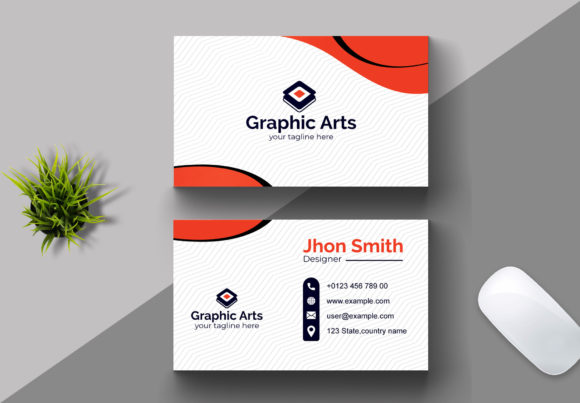
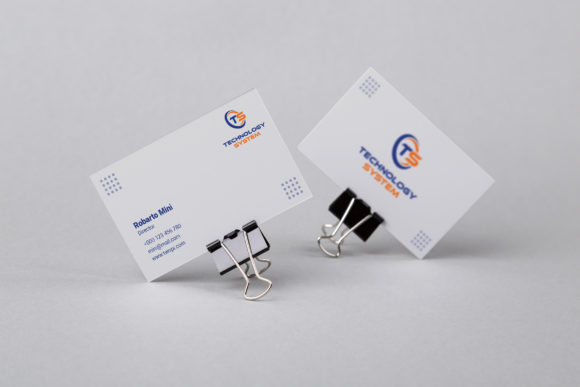
A business card is a small card that contains contact information about a person or company. It typically includes details such as name, title, company name, address, phone number, email, and website. In some cases, it may also feature a logo, a tagline, or a unique visual element that represents the brand.
Business cards are used in various settings, from job interviews to networking events, and even in digital interactions where physical cards are shared. They serve as a quick and convenient way to exchange information and leave a professional impression.
The Purpose of a Business Card
The primary purpose of a business card is to provide contact information in a compact and easily accessible format. However, it also serves several other functions:
- Brand Representation: A business card is often the first point of contact between a business and a potential client. It should reflect the brand's identity and values through color, typography, and design.
- Professional Image: A well-designed card conveys professionalism and attention to detail. It shows that you take your work seriously and care about how you present yourself.
- Networking Tool: Business cards are invaluable for networking. They allow individuals to share their information quickly and efficiently, making it easier to follow up after meetings or events.
Why Simplicity Matters in Business Card Design
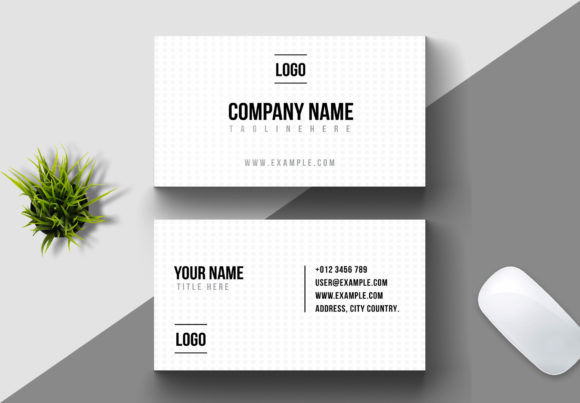
Simplicity is key when it comes to business card design. While flashy graphics and complex layouts might seem appealing, they can often overwhelm the viewer and make it difficult to find the essential information. A simple design ensures clarity, readability, and memorability.
Consider the following reasons why simplicity is beneficial:
- Easy to Read: A clean layout with clear fonts and minimal text makes it easier for people to read and remember your information.
- Timeless Appeal: Simple designs tend to remain relevant longer than trendy or overly complicated ones. They don't go out of style as quickly.
- Cost-Effective: Printing a simple design is often less expensive than intricate layouts, especially if you're printing in bulk.
Elements of a Simple Business Card Design
To create a simple yet effective business card, focus on the following elements:
- Minimal Text: Only include necessary information. Avoid overcrowding the card with too many details.
- Clear Typography: Choose a font that is easy to read. Avoid overly decorative fonts unless they align with your brand's personality.
- Consistent Color Scheme: Use colors that match your brand's palette. Limit the number of colors to maintain a cohesive look.
- High-Quality Images or Logos: If including a logo, ensure it is high-resolution and placed strategically on the card.
How to Create a Simple Business Card Design
Creating a simple business card doesn't require advanced design skills. With the right tools and resources, anyone can produce a professional-looking card. Here's a step-by-step guide:
- Choose a Template: Many online design platforms offer free templates for business cards. These can be customized to fit your needs.
- Select a Font: Use a free font like Arial, Helvetica, or Open Sans for a clean and modern look. Ensure the font size is large enough to read easily.
- Arrange Information: Place your name, title, company, and contact details in a logical order. Leave enough space between elements to avoid clutter.
- Add Visual Elements: Incorporate a subtle graphic or icon that represents your brand. Keep it simple and not distracting.
- Review and Print: Proofread the design to ensure there are no errors. Once satisfied, print the card using a reliable printer or online service.
Free Tools for Creating Business Cards
Several free tools can help you design a simple business card without any prior experience:
- Canva: A user-friendly design platform with pre-made templates and drag-and-drop functionality.
- Adobe Express: Offers a variety of customizable templates and design elements.
- Fotor: A free online tool that allows you to create and edit business cards with ease.
Common Mistakes to Avoid
Even with a simple design, there are common mistakes that can undermine the effectiveness of a business card. Be sure to avoid the following:
- Too Much Text: Overloading the card with unnecessary information can confuse the reader and reduce its impact.
- Poor Font Choice: Using a hard-to-read or overly stylized font can make your contact details difficult to decipher.
- Low-Quality Images: Blurry or pixelated images can make your card look unprofessional.
- Ignoring Branding: Failing to incorporate your brand's colors, logos, or messaging can make your card appear generic.
Conclusion: Embrace Simplicity for Maximum Impact
A simple business card design is not just about aesthetics—it's about clarity, professionalism, and effective communication. By focusing on the essentials and avoiding unnecessary complexity, you can create a card that leaves a strong impression and supports your brand's identity.
Whether you're an entrepreneur, a freelancer, or a student looking to build your professional network, a well-designed business card can be a valuable asset. With the right tools and a clear understanding of design principles, you can create a card that reflects who you are and what you do—simply and effectively.